
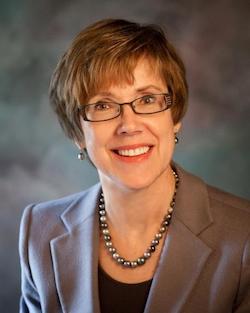
Dear Colleagues and supporters of the advancement of cutaneous lymphoma:
Cutaneous lymphoma is at the edge of dermatology and oncology, currently cared for by both physicians of both specialties. It is the rash that the astute dermatologist will think of as somehow different than eczema and by one biopsy, determine that the patient has a condition that may affect his survival. The diagnosis and the staging begin with the dermatologist. And the dermatologist will be involved in the patient’s care before, during, and after any chemotherapy or radiation therapy that may be given by other specialties. There is no cure for these lymphomas today but there is treatment than can manage their symptoms and improve their external appearance, quality of life, and overall survival. And the dermatologist is a key physician in the patient’s battle against this cancer. It is a huge responsibility and it has also been a huge honor for me to be involved in taking care of patients at Duke with cutaneous lymphoma over the past 45 years.
More than 150 Duke Dermatology residents have had hands-on experience diagnosing and treating patients with cutaneous lymphoma in my Duke Cutaneous Lymphoma Clinic. It is important that these and other dermatologists, regardless of where they practice, continue to consider cutaneous lymphoma in any patient they see with a persistent rash or new tumor and know how to appropriately diagnose and treat these patients. The Elise A. Olsen, MD Cutaneous Lymphoma Fund was initiated to provide an educational forum for continued update on these cancers including advancements in knowledge and treatments that will enhance the prognosis and quality of life of affected patients. Thank you for supporting this effort.
Elise A. Olsen, MD
Biography
Dr. Elise Olsen is a Professor of Dermatology and Medicine (Hematologic Malignancies) at Duke University and Founder and Director of the Duke Cutaneous Lymphoma Research and Treatment Center. She began her interest in cutaneous lymphoma as a Duke Dermatology resident, working with Dr. Bart Haynes on the initial development of cell markers for mycosis fungoides (MF) and starting a cutaneous lymphoma clinic when the term Cutaneous T Cell lymphoma (CTCL) was new and described only the two main subtypes, MF and Sezary syndrome. Since that time, CTCL has been separated out into multiple subtypes of lymphoma identified by histopathologic features on skin or lymph node biopsy and clinical characteristics. As President of the International Society for Cutaneous Lymphoma (ISCL), Dr. Olsen spearheaded the revision of the 1979 staging of MF and Sezary syndrome to recognize the 4 main areas of potential involvement ie skin, nodes, viscera, and blood. She has continued to lead guidelines for clinical trials of not only CTCL but also Cutaneous B cell Lymphoma (CBCL). She has been a leader in the development of new medications for CTCL including interferon, the backbone of outpatient treatment for CTCL. Dr. Olsen also founded the United States Cutaneous Lymphoma Consortium (USCLC) and the USCLC National Registry as a means for those in dermatology, oncology, and radiation oncology to work together toward the common goal of improving patient care. She continues to represent the Duke Cancer Institute on the NCCN guidelines committee for T cell lymphoma and to see new and return patients with cutaneous lymphoma at Duke clinic 3K.
Donate to the Elise A. Olsen MD Cutaneous Lymphoma Educational Fund
For more information about giving, please contact Emily James, major gifts officer for Duke Dermatology, by calling 919-660-2910 or by email to: emily.h.james@duke.edu.
To mail a donation to Duke Dermatology, please send to:
Duke University
Alumni & Development Records
Box 90581
Durham, NC 27708-0581
Make a gift of stocks or securities